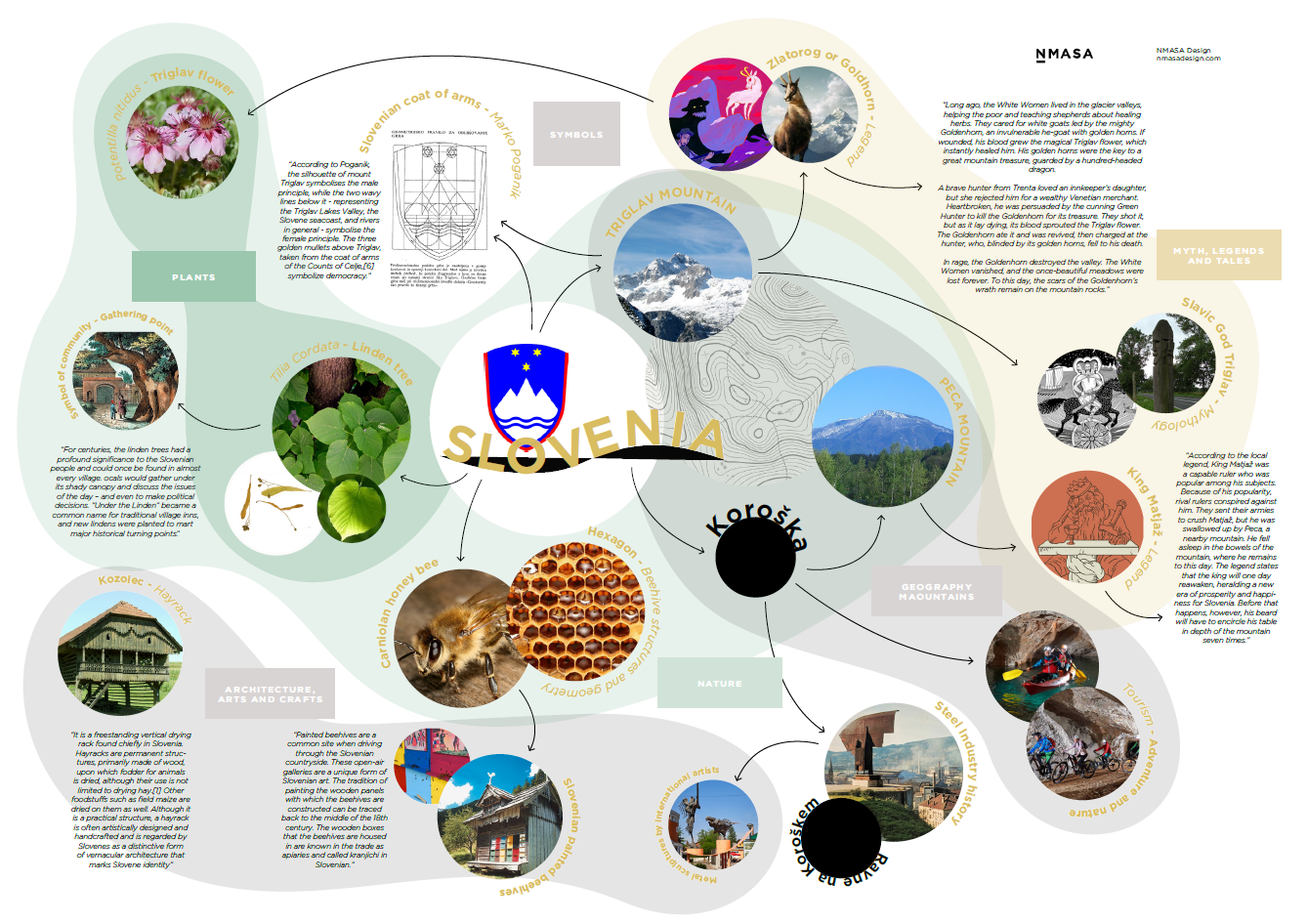
Zlatorog.
A collaboration with Addiflex as part of the Label4Future program
AddiFlex and NMASA Design collaborated through the Label4Future programme, a European initiative that connects SMEs with creative professionals to develop circular, sustainable and market ready plastic solutions. The partnership was created to define the next generation of protective pads that can solve the problems of conventional products, such as being heavy, uncomfortable, poorly ventilated, difficult to recycle and commonly manufactured through long outsourced supply chains. At the same time, increasing customer expectations and new sustainability priorities made circular and local European production an important strategic focus for the company.
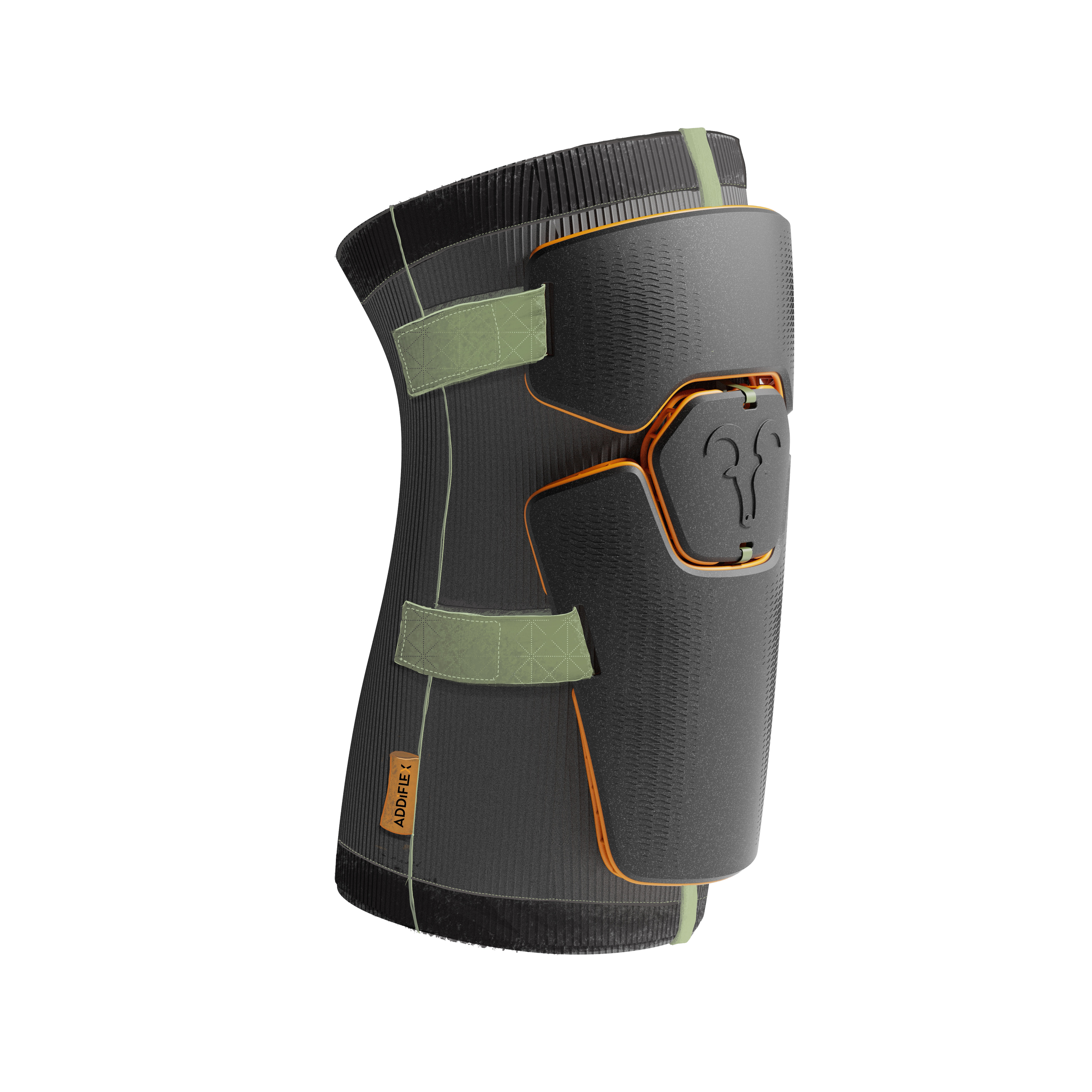
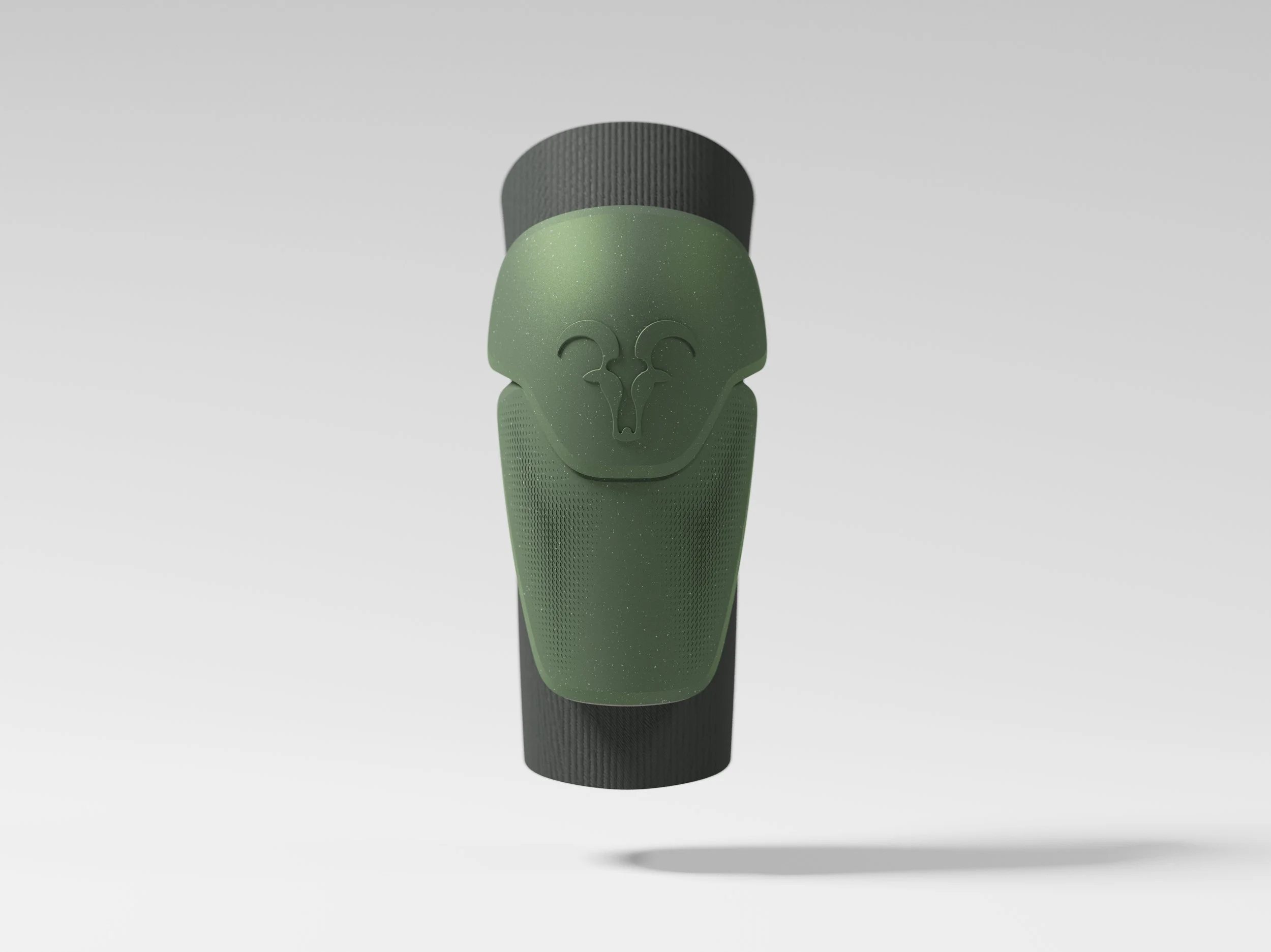
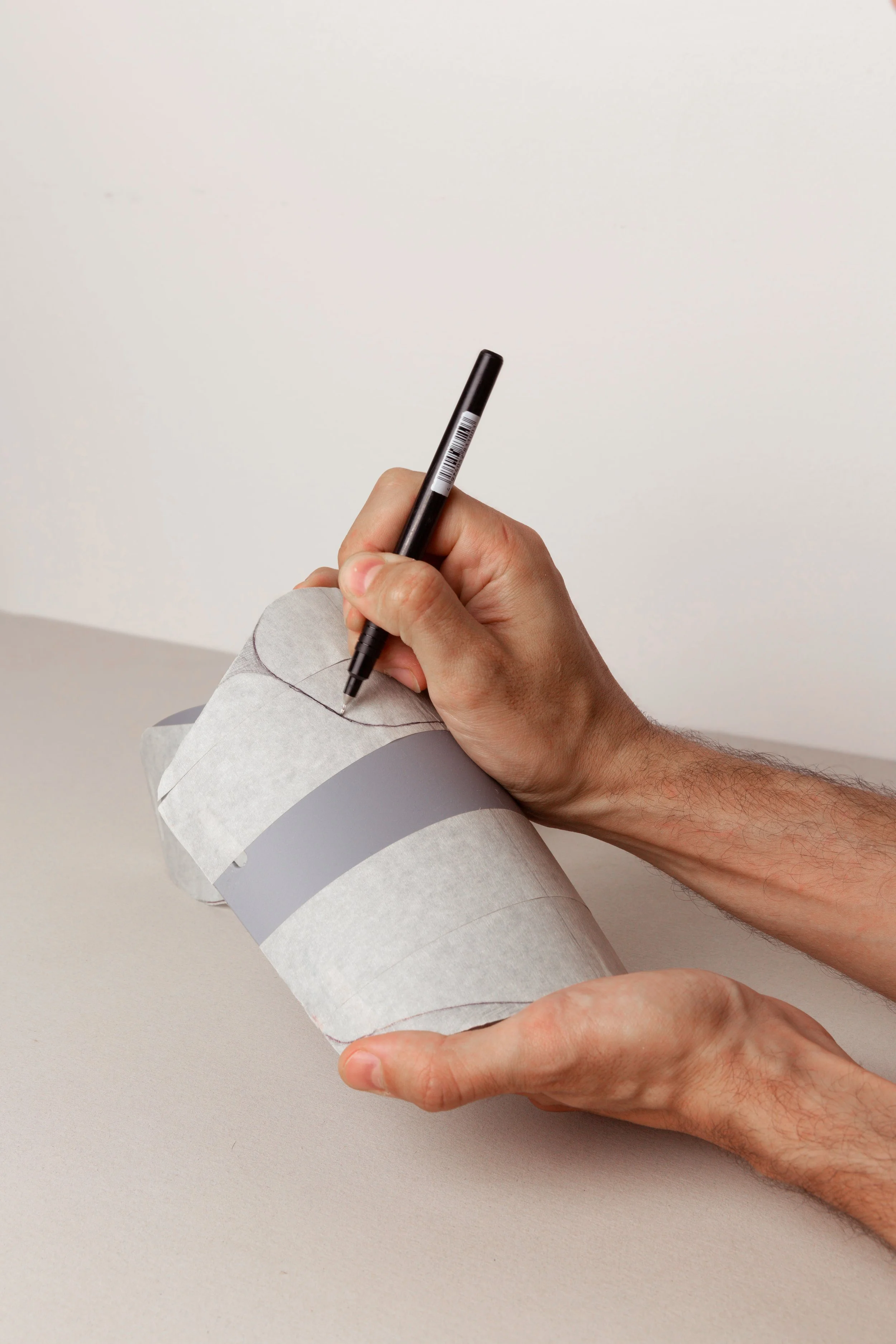
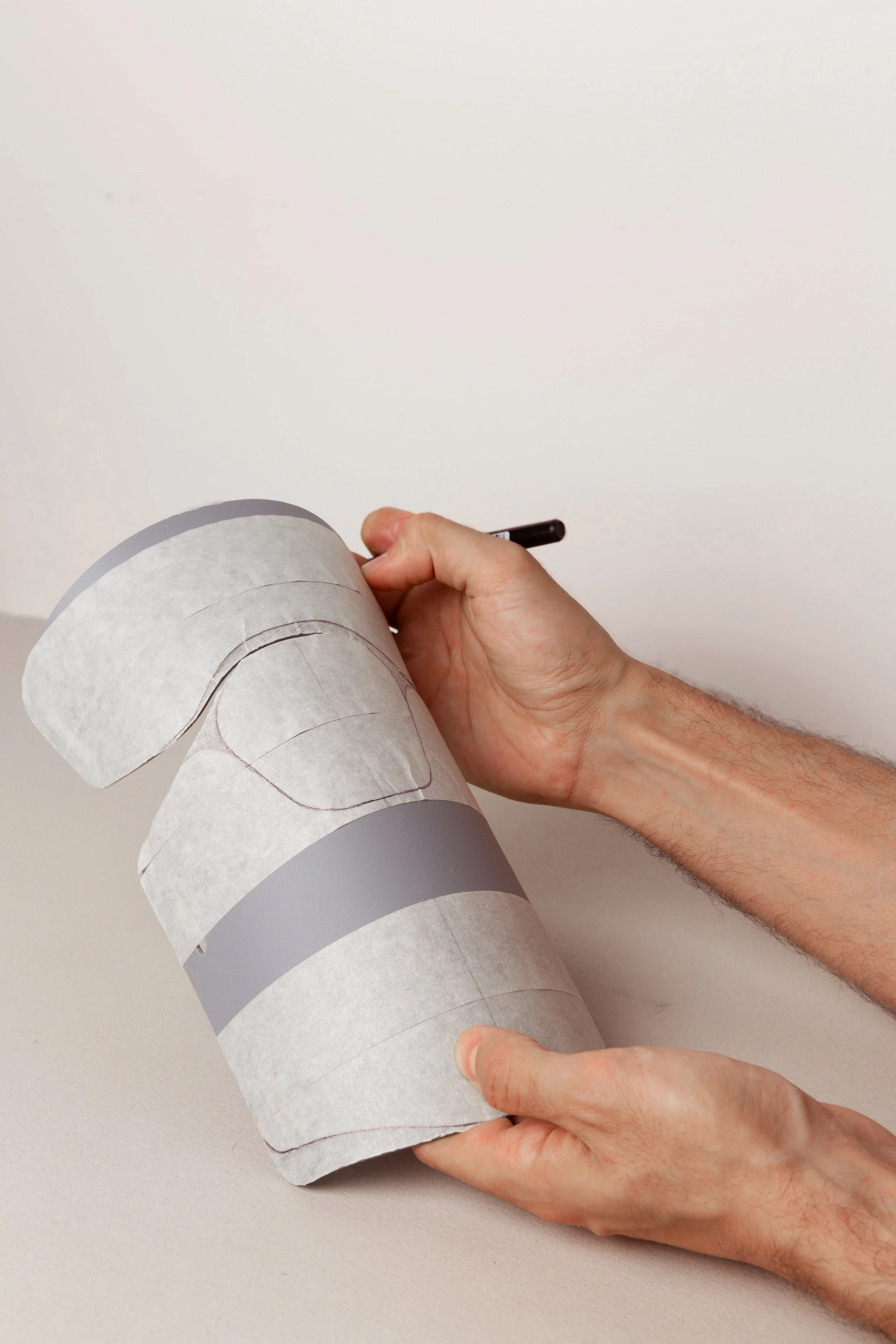
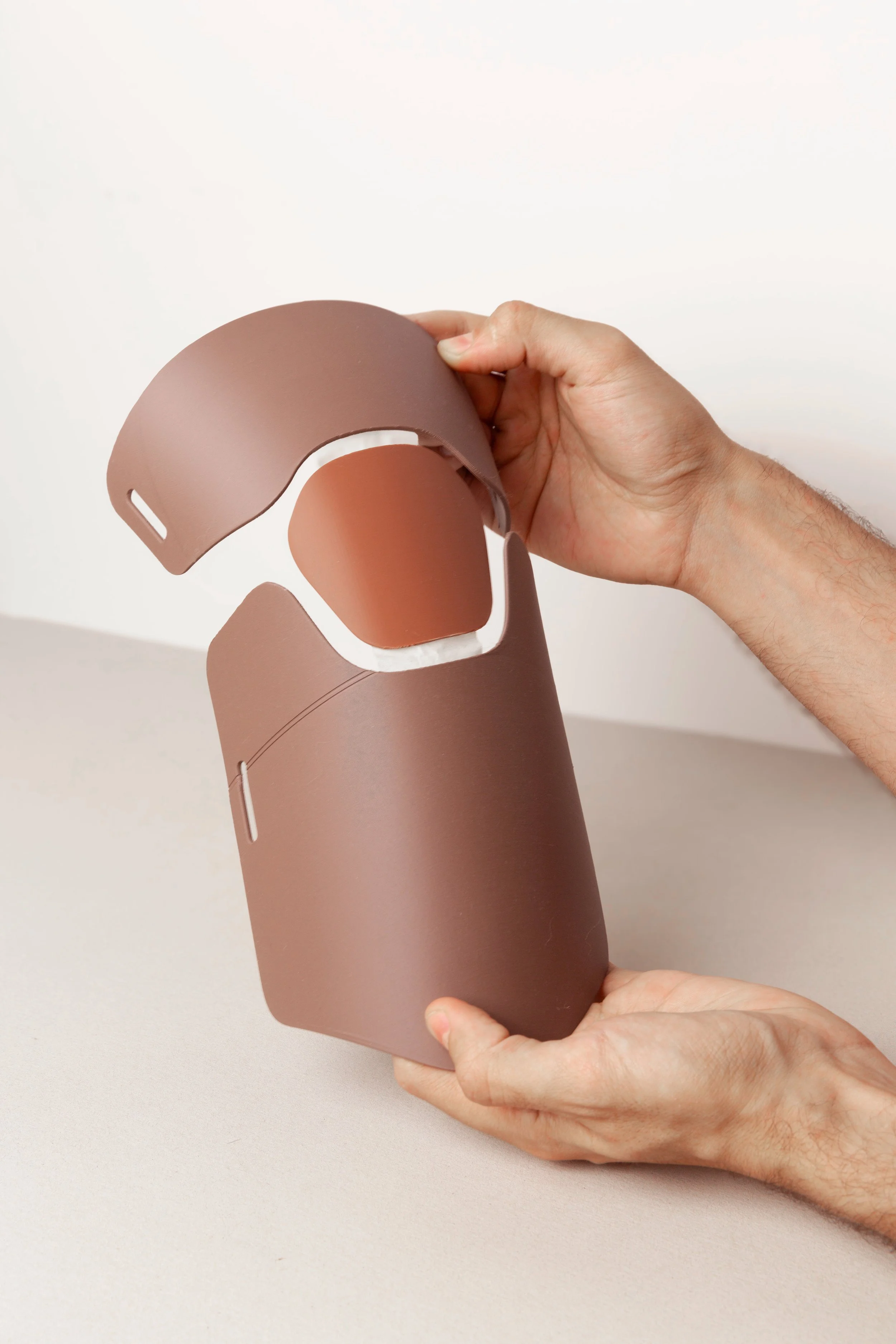
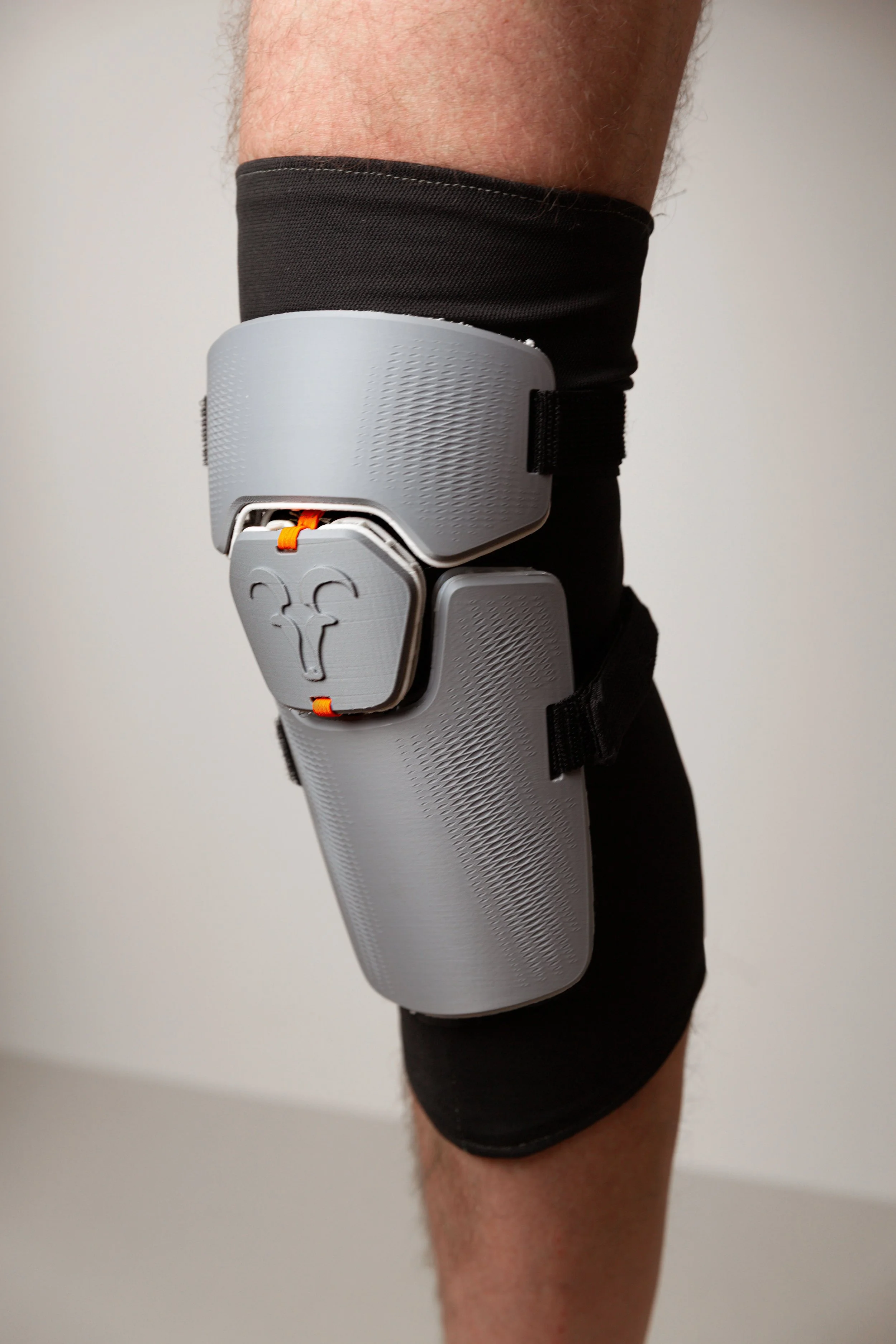
The project concentrated on rethinking knee protection for mountain biking through a new modular system that combines recycled polypropylene shells with industrially 3D printed protective pads. Using advanced lattice structures, the new pads can provide lower weight, greater breathability, improved comfort and strong impact absorption compared with traditional foam solutions. The team researched competing products, analysed market trends and studied manufacturing limitations in order to move from a broad sustainability ambition to a practical proof of concept. Circularity was integrated through the use of recycled plastics, local production in Slovenia, reduced material waste, replaceable components and design for easier disassembly, repair and future recycling. This approach also shortens logistics chains and strengthens regional manufacturing capacity.
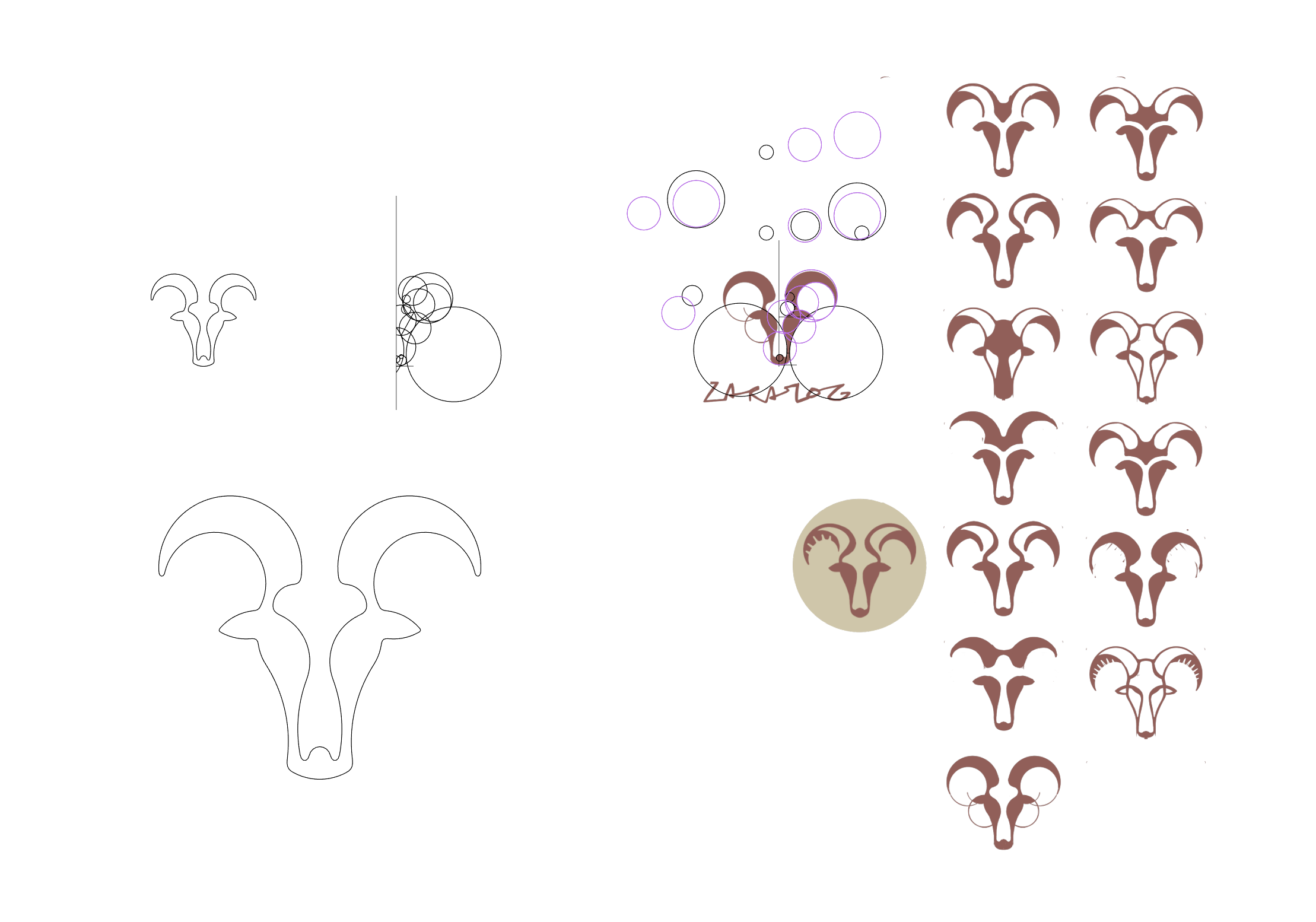
The collaboration also helped define a clear product identity inspired by Slovenian heritage and nature, giving the concept a recognisable market position. The result is a strong proof of concept showing that advanced manufacturing, circular design and local production can create safer, lighter and more sustainable protective equipment for the next generation of athletes.
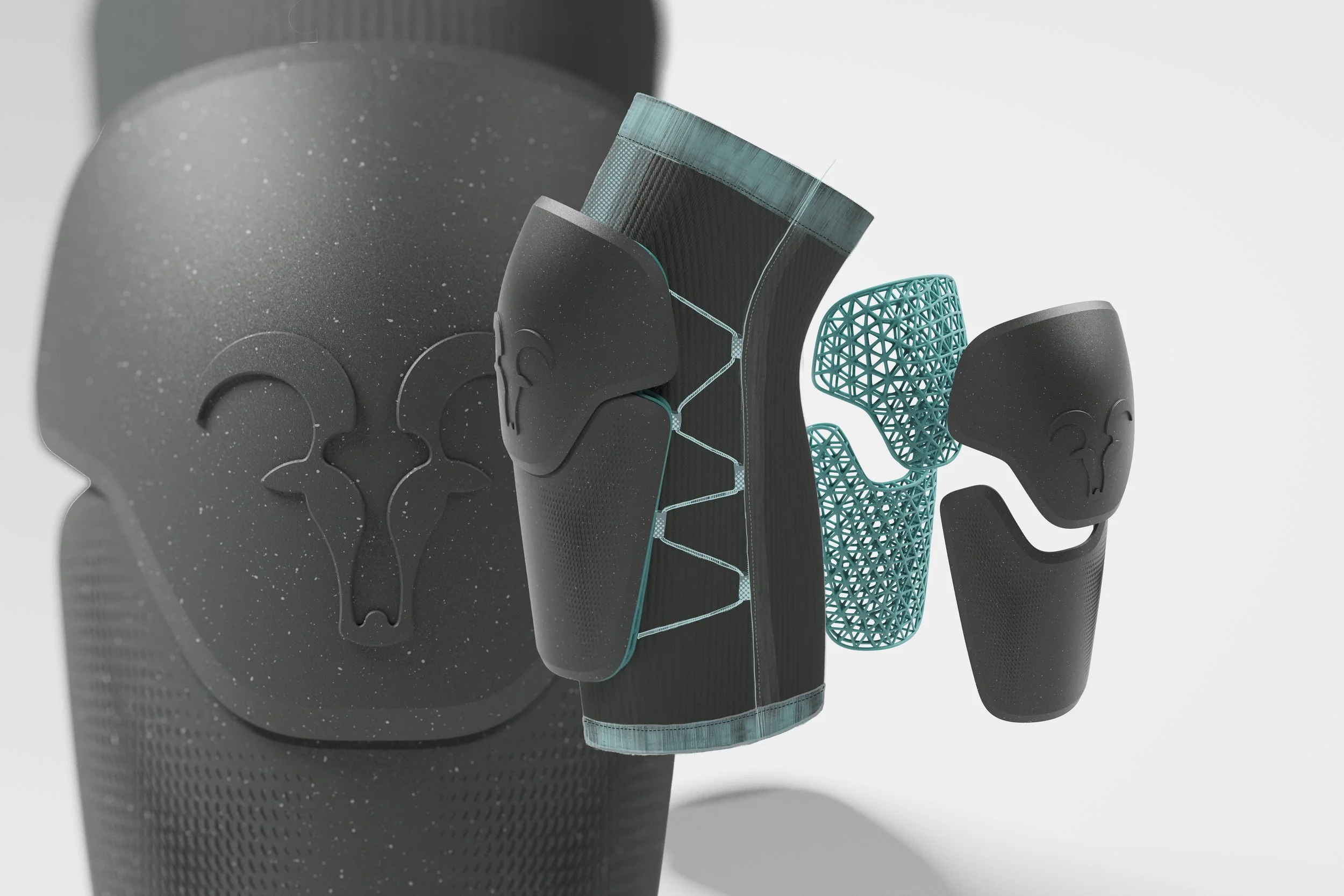
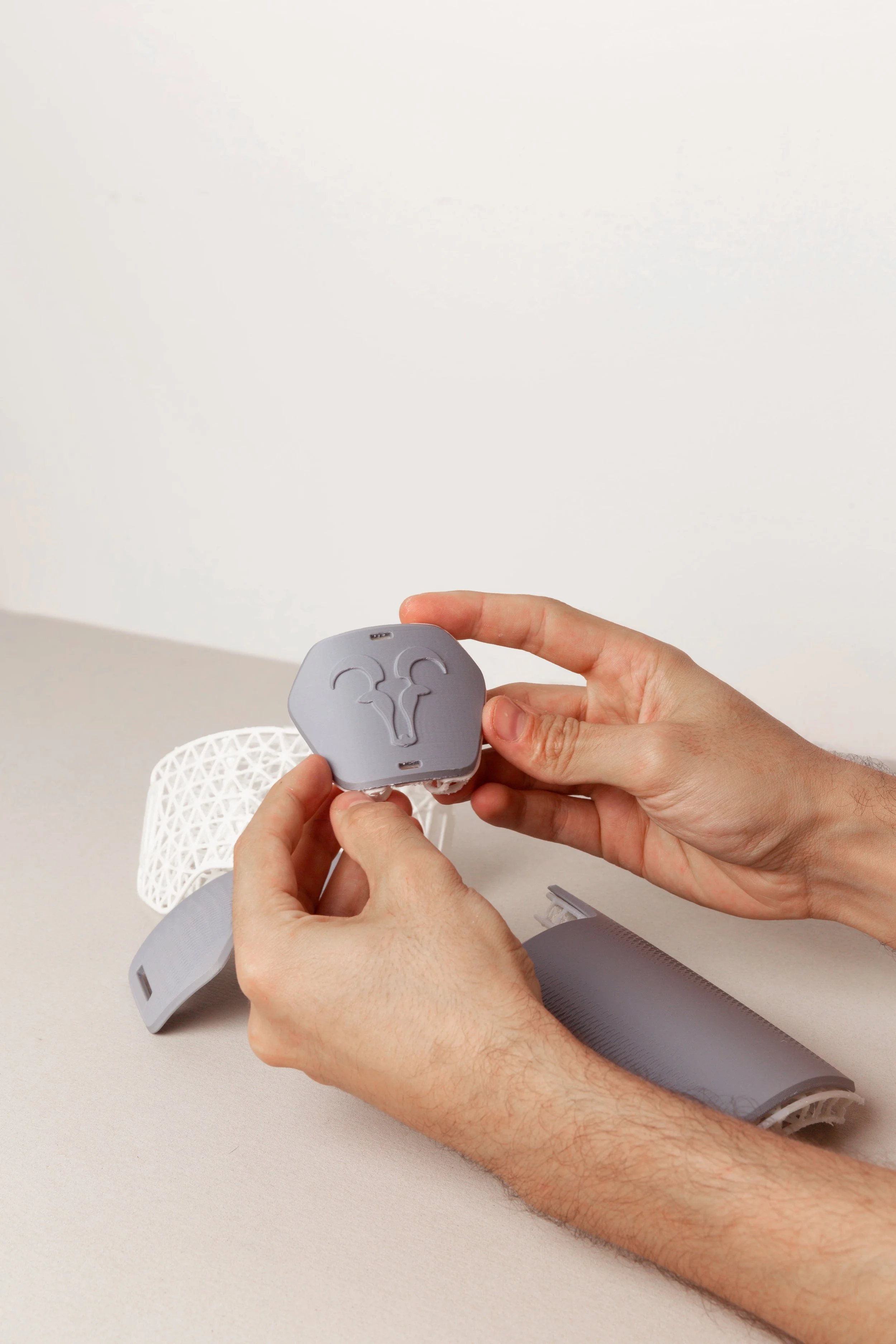
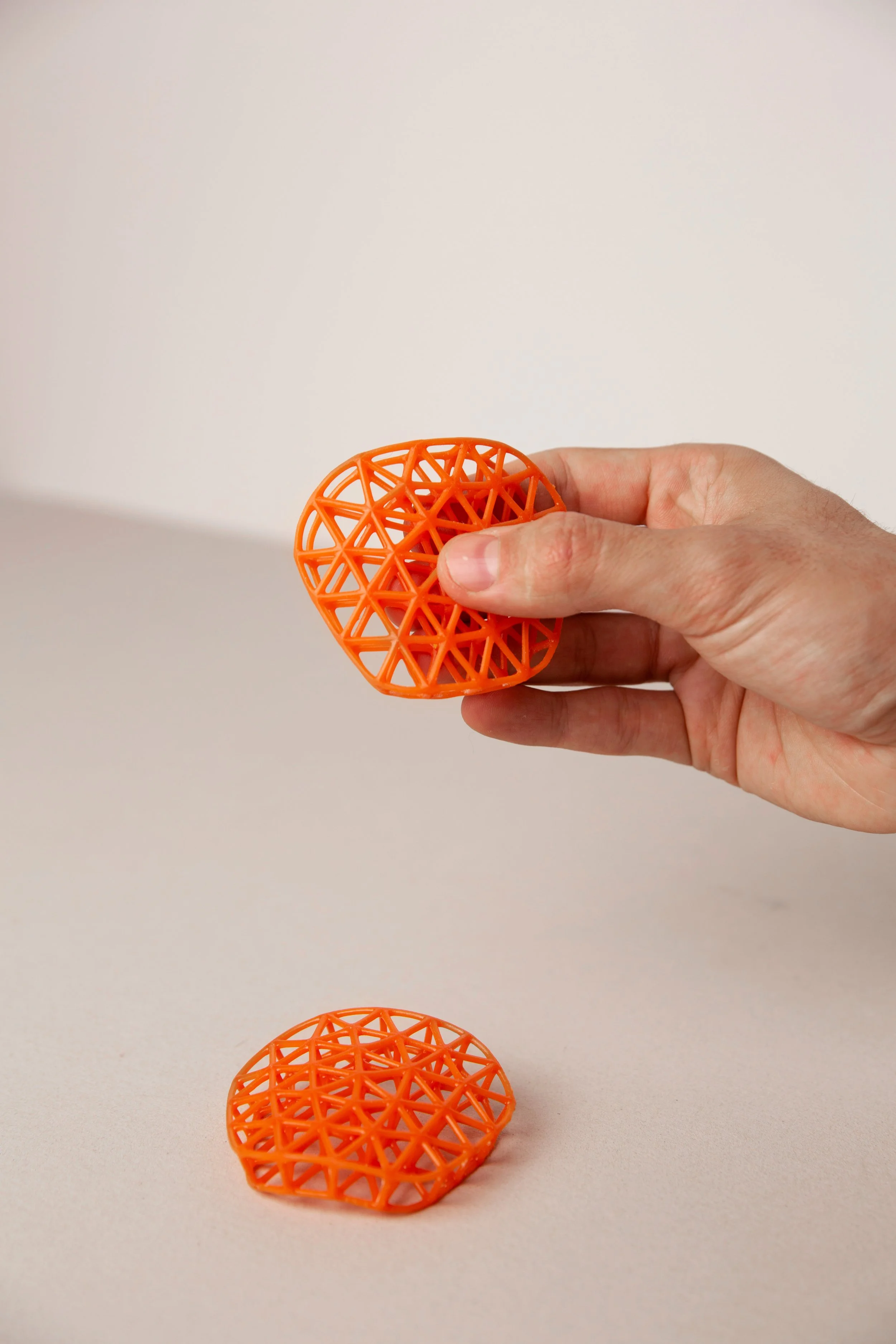
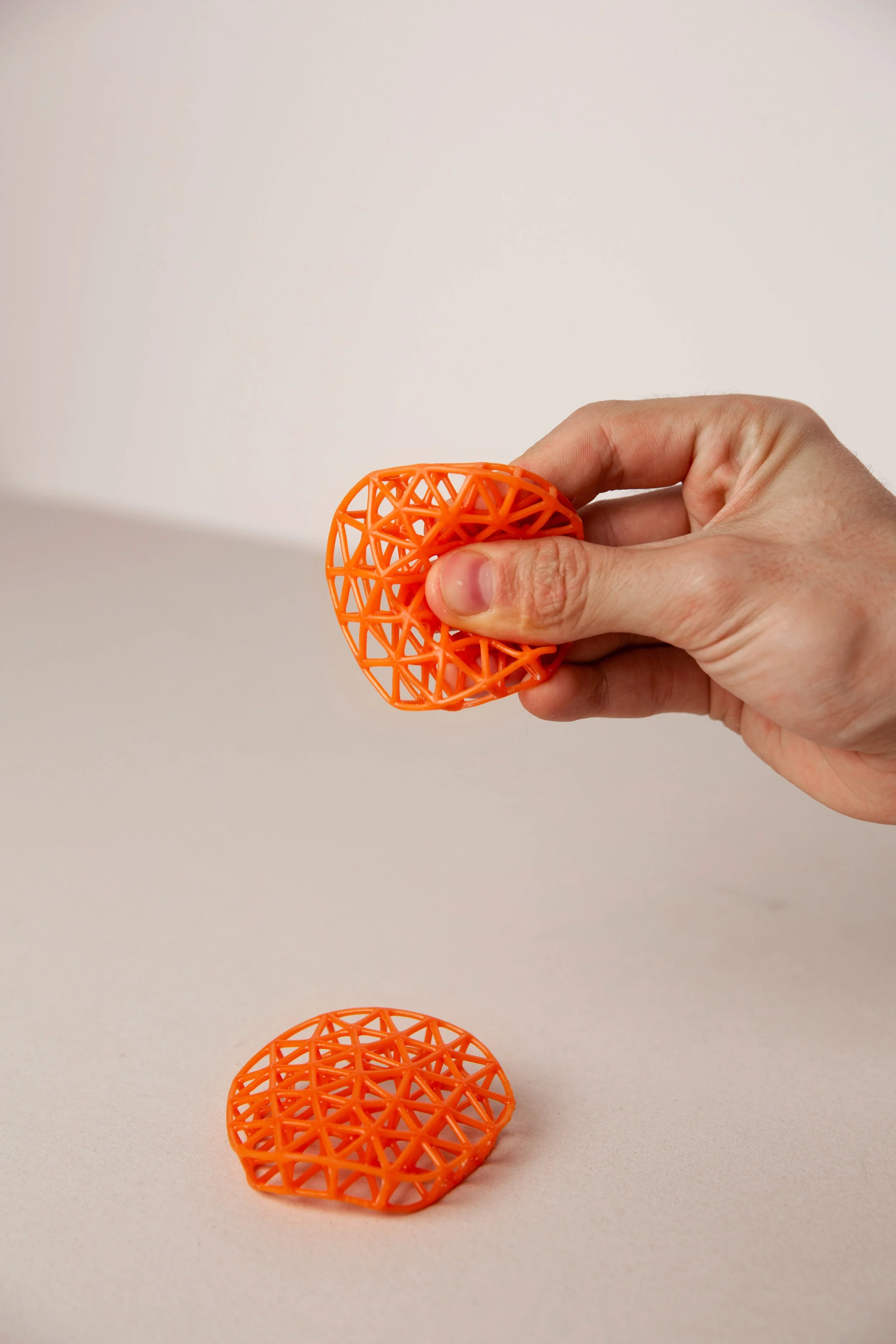
Samples of 3D printed lattice structures that were use to test the impact absorption of the new material